Property markets rarely move for the same reasons.
Dubai is shaped by international investment and rental demand. Hyderabad’s expansion is closely linked to employment corridors and suburban growth. Mumbai continues to demonstrate resilient end-user demand despite high property values.
As September begins, Nestrov examines what has moved across these three markets, what has changed, and what investors should monitor before making their next decision.
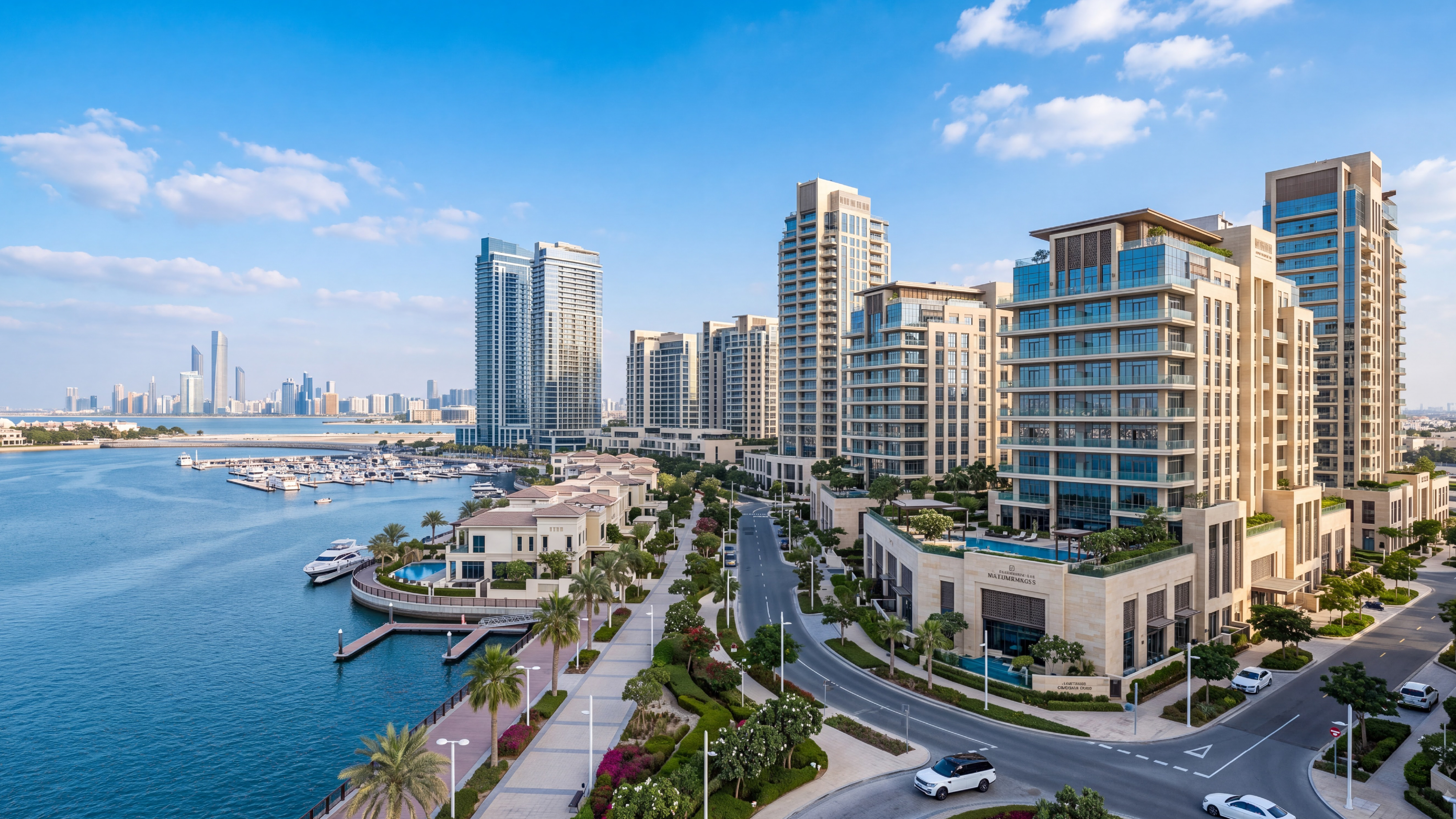
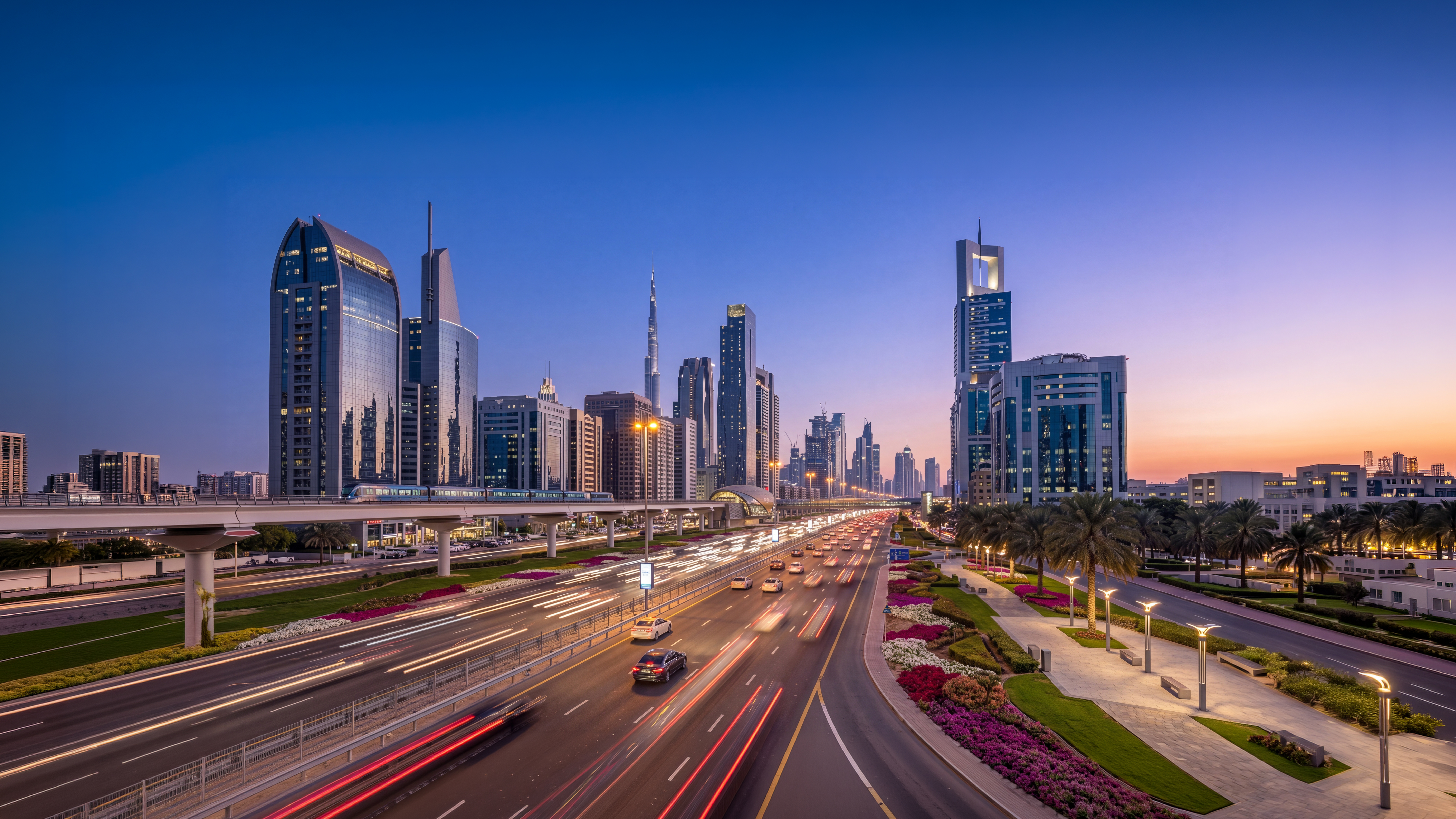
Dubai: Strong Capital Inflows, but Selection Matters
Dubai entered 2026 with considerable momentum.
According to the Dubai Land Department, the emirate recorded AED 252 billion in real estate transactions during Q1 2026, representing a 31% year-on-year increase in value. Real estate investments reached AED 173 billion across 57,744 transactions, while the number of new investors increased by 14%.
Foreign property investments also rose to AED 148.35 billion, reinforcing Dubai’s position as an internationally connected property market. Source: Dubai Land Department
The rental market provides another important demand indicator. Dubai recorded rental contracts worth AED 32.2 billion in Q1 2026, including 118,385 new contracts and 135,607 renewals. Contract cancellations declined by 25%, indicating greater stability across the rental cycle. Source: Dubai Land Department
What changed?
The Dubai conversation is gradually moving from overall market growth to opportunity selection.
As more projects and off-plan developments enter the market, investors must look beyond launch-day incentives and headline payment plans. The stronger questions concern:
- Actual rental demand
- Future supply within the community
- Developer track record
- Service charges
- Entry price
- Handover timeline
- Resale and exit demand
What should investors watch?
Investors should monitor the relationship between new supply and actual occupancy. Communities supported by employment, transport, education and everyday infrastructure may be better positioned to sustain demand than locations relying primarily on future announcements.
Dubai remains attractive for rental income and international exposure, but a growing market does not make every project equally investable.
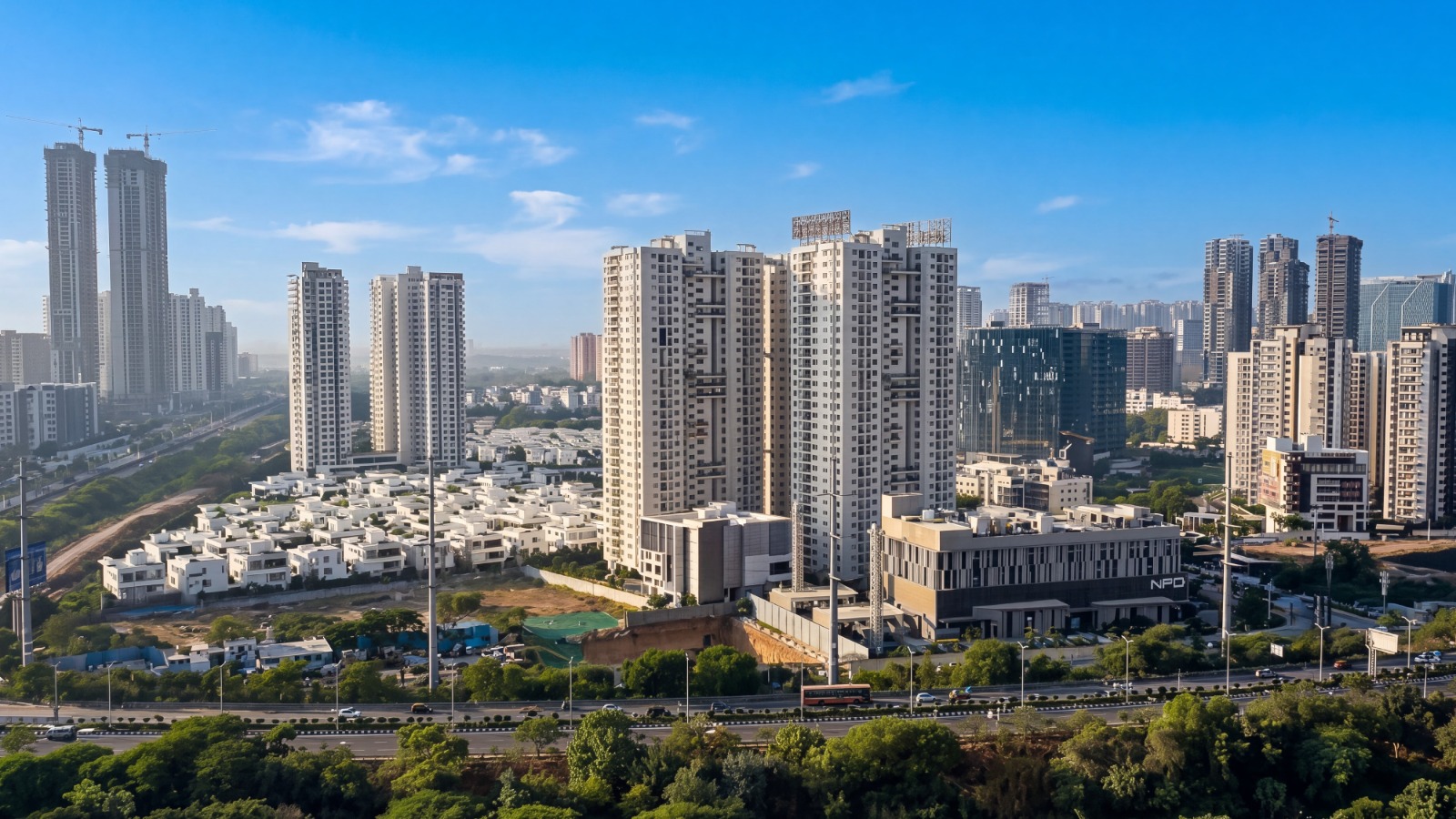
Hyderabad: The West Continues to Lead
Hyderabad recorded 9,040 residential launches in Q2 2026, according to Cushman & Wakefield.
The western corridor accounted for 72.5% of new launches, driven largely by activity in Kollur. Northern Hyderabad also showed traction, with Bachupally contributing approximately 20% of launch activity.
Nearly 90% of new launches were concentrated in suburban markets, demonstrating how Hyderabad’s residential boundaries continue to expand beyond established central locations. Source: Cushman & Wakefield
Rental growth remained steady in micro-markets including Narsingi–Kokapet and Madhapur–Gachibowli. This reflects the influence of nearby employment centres, particularly the Financial District, HITEC City and Hyderabad’s wider technology corridor.
What changed?
Hyderabad’s growth is becoming increasingly concentrated.
West Hyderabad continues to attract premium housing and large-scale developments, while northern locations provide more mid-market alternatives. This creates different investment propositions within the same city.
A high concentration of launches can demonstrate developer confidence, but it can also create future competition between projects.
What should investors watch?
Investors considering West Hyderabad should evaluate:
- The volume of competing supply
- Distance from established employment hubs
- Road and public-transport access
- Rental affordability
- Social infrastructure
- Project delivery timelines
- Differences between quoted and transacted prices
Locations such as Kokapet, Narsingi and Gachibowli benefit from proximity to major employment clusters. However, investment potential should be assessed project by project rather than assumed from the popularity of the wider corridor.
In Hyderabad, employment creates demand. Infrastructure and liveability determine where that demand remains.
Mumbai: Resilient Demand in a High-Value Market
Mumbai recorded 13,617 property registrations in July 2026, an 8.3% year-on-year increase and the city’s strongest July performance in 14 years.
Stamp-duty collections reached approximately ₹1,223 crore, increasing by 8.9% compared with July 2025. Source: ETRealty
These numbers point toward continuing confidence in homeownership despite Mumbai’s high entry prices.
Infrastructure is also reshaping the wider Mumbai Metropolitan Region. Metro expansion, redevelopment, improved east–west connectivity and major road projects are influencing accessibility and opening new residential conversations beyond established premium districts.
What changed?
Mumbai’s property story is no longer defined only by scarcity.
Redevelopment is introducing modern housing into established neighbourhoods, while infrastructure is changing how buyers evaluate travel time and location. At the same time, limited land availability and high construction costs continue to support premium pricing.
What should investors watch?
Investors should distinguish between infrastructure that is operational, infrastructure that is under construction, and infrastructure that exists only as a proposal.
The potential impact of a new transport connection depends on:
- Project completion
- Last-mile connectivity
- Employment access
- Neighbourhood liveability
- Existing property prices
- Available housing supply
Mumbai offers resilient end-user demand and infrastructure-led value, but the entry price remains critical. Even a strong location can deliver limited returns when purchased at an unrealistic premium.
Three Markets, Three Different Investment Cases
| Market | Primary strength | Important risk to evaluate |
| Dubai | Rental income and global investor exposure | New supply, service charges and project selection |
| Hyderabad | Employment-led demand and expanding corridors | Supply concentration and infrastructure delivery |
| Mumbai | Resilient end-user demand and infrastructure-led value | High entry price and redevelopment timelines |
There is no single market that is automatically right for every investor.
The right choice depends on the purpose of the investment.
An investor seeking rental income and international diversification may examine Dubai. Someone seeking employment-led residential growth may consider Hyderabad. An investor prioritising end-user depth and long-term infrastructure transformation may explore Mumbai.
The Nestrov View
Market headlines tell investors what happened. They do not automatically reveal what deserves investment.
Before choosing a city, location or project, investors should clearly define:
- The expected holding period
- The required rental income
- The acceptable level of risk
- The available investment budget
- The preferred exit strategy
At Nestrov, we look beyond the headline numbers to evaluate the demand, infrastructure, pricing, supply, and long-term fundamentals behind every opportunity.
Do not simply follow the market. Understand what is moving it.
Planning your next property investment? Connect with Nestrov for a data-led comparison of Dubai, Hyderabad and Mumbai.
Related Articles